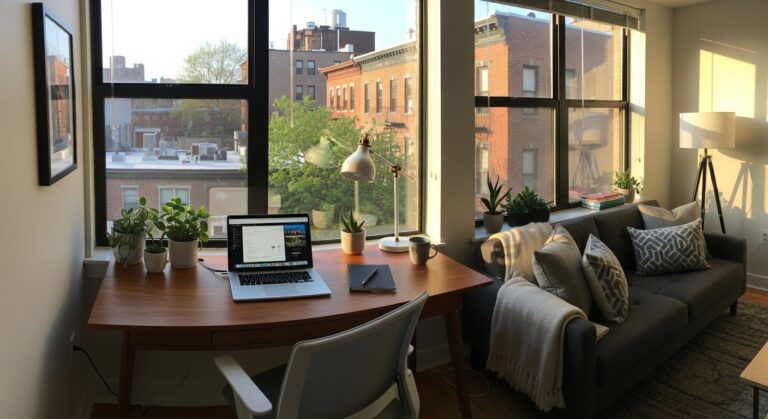
Mid-Term Rentals: The Smart USA Housing Solution
Mid-term rentals are reshaping the way Americans secure flexible housing. Traditional leases feel rigid, and hotels become expensive over time. Professionals often need something in between. That gap is where MiniStays rentals provide a practical solution.
Across the USA, housing flexibility matters more than ever. Travel assignments, remote work, and relocations are increasing. Many Travel Nurses require dependable housing for 60 to 180 days. Short-term Rentals often lack stability, while year-long leases feel restrictive.
MiniStays rentals bridge this gap with furnished homes rentals designed for real life. Think of housing like a well-packed suitcase. You need only what supports your journey. No excess. No friction.
For example, Sarah, a healthcare professional in Texas, needed travel nurse housing rentals quickly. Hotels exceeded her budget. Standard leases demanded long commitments. Through Mid-term rentals, she found a fully equipped space within days.
By exploring solutions at Mid-term rentals, renters can compare furnished homes for rent without complexity. Meanwhile, property owners benefit from steady demand.
You can learn more about flexible options through Ministays rentals, which outline structured, compliant housing pathways. Additional insights are available in the complete housing breakdown at Mid-term rentals.
This growing shift toward Mid-term rental housing signals a smarter housing era in the United States.
Overview
Mid-term rentals provide structured stays between 30 and 180 days. They differ from corporate short-term rentals and annual leases. These properties are typically fully furnished, professionally managed, and utility-ready.
In cities like Phoenix and Atlanta, demand for temporary furnished apartments continues rising. Hospitals, universities, and corporate offices drive consistent need. Professionals value flexible stay rental homes that allow career mobility without housing stress.
MiniStays rental properties focus on stability and compliance. That structure benefits both tenants and property owners. Unlike Short-term furnished rentals, mid-length stays encourage responsible occupancy.
Mark, a relocation manager in Chicago, recently shifted staff housing to monthly furnished rentals. His team reported fewer disruptions and improved comfort. The difference was reliable, well-managed housing.
If you’re evaluating extended stay furnished homes, understanding lease terms is critical. Transparent pricing and clear expectations reduce risk.
Through MiniStays rentals, renters gain access to MiniStays furnished homes tailored to working professionals. Property owners can also review strategic insights inside the detailed housing resource at Mid-term rentals.
Mid-term rentals are no longer a niche option. They represent a structured housing strategy designed for today’s mobile workforce.

The Core Challenge In Mid-Term Rentals
Mid-term rentals solve flexibility issues, yet many renters struggle to navigate the market. The demand for Mid-term rental housing has increased across the USA. However, clarity and structure often lag behind growth.
One major challenge is confusion between Short-term Rentals and true mid-length stays. Short-term furnished rentals often operate like vacation properties. They lack consistency for professionals needing 90-day placements. Traditional leases demand long commitments. Neither fully supports today’s mobile workforce.
Travel Nurses frequently experience this gap. Lisa, a nurse in Arizona, secured travel nurse housing rentals online. The listing looked promising. Yet the unit lacked proper utilities and workspace readiness. That disruption affected her assignment.
Housing should function like a reliable bridge. It must support transition, not complicate it. Without defined systems, renters face pricing swings, unclear agreements, and inconsistent property standards.
MiniStays rental properties address these issues through structured processes. By focusing on furnished homes for rent designed specifically for mid-length occupancy, they reduce uncertainty. That balance improves tenant confidence and property stability.
You can explore how compliance frameworks strengthen Mid-term rentals through the detailed strategy overview inside Mid-term rentals. Additional housing insights appear in the full guide at Mid-term rentals.
Another challenge involves inventory management. Property owners often misprice monthly furnished rentals due to misunderstanding demand cycles. A strategic approach prevents vacancy gaps while maintaining sustainable revenue.
Understanding the core challenge in Mid-term rentals allows renters and investors to make smarter decisions. Structure, transparency, and alignment with professional housing needs define success in this growing market.
Key Solutions & Best Practices
Mid-term rentals require structure to function effectively in the USA housing market. Success begins with understanding renter intent. Most tenants seek stability, not vacation-style turnover. That difference shapes strategy.
A best practice is furnishing with purpose. Temporary furnished apartments must support work routines. Strong Wi-Fi, ergonomic seating, and secure parking matter. Travel nurse housing rentals especially benefit from proximity to hospitals.
Property owners should analyze demand cycles before listing. Monthly furnished rentals near medical centers perform consistently. Corporate short-term rentals near business districts see project-based demand.
Consider James, a property owner in Denver. He shifted from nightly bookings to Mid-term rentals. He upgraded furnishings and clarified lease terms. Vacancy dropped within three months. Revenue stabilized without constant turnover stress.
Think of Mid-term rental housing like a well-tuned engine. Each component must align for smooth performance. Clear lease agreements, transparent pricing, and maintenance protocols build trust.
Renters benefit from researching structured providers. MiniStays flexible stays simplify the search process by pre-vetting units. That ensures furnished homes for rent meet professional standards.
You can review comprehensive compliance strategies through Mid-term rentals. Deeper operational insights are also available within the housing breakdown at Mid-term rentals.
Finally, screening practices protect both parties. Professional background checks and income verification reduce risk. Extended stay furnished homes thrive when expectations are aligned early.
Mid-term rentals succeed when strategy replaces improvisation. With best practices in place, both renters and property owners gain predictable outcomes.
Tools, Strategies, Or Processes
Mid-term rentals thrive when systems support both renters and owners. Without structure, even strong Mid-term rental housing demand can feel chaotic. Clear processes reduce friction and improve retention.
Start with digital property management platforms. These tools automate lease agreements and payment tracking. They also streamline maintenance coordination for temporary furnished apartments. Efficiency builds trust.
Market research tools are equally important. Analyze hospital staffing trends for Travel Nurses and corporate relocation patterns. Travel nurse housing rentals near major medical centers often perform well year-round. Data-driven pricing prevents undercharging or overpricing.
MiniStays housing solutions emphasize standardized onboarding. Each unit follows documented preparation steps. That includes safety inspections and inventory verification. This approach supports furnished homes for rent that meet professional standards.
Emily, a housing coordinator in Florida, improved occupancy by shifting to structured monthly furnished rentals. She created clear welcome guides and automated reminders. Tenant satisfaction scores increased within one quarter.
Think of Mid-term rentals like a well-managed airport. Clear signage and processes keep movement smooth. Without direction, confusion spreads quickly.
For operational insights, explore structured frameworks at Mid-term rentals. Strategic planning examples are also detailed inside the housing guide at Mid-term rentals.
Another essential process involves compliance monitoring. Local regulations for Short-term furnished rentals differ by city. Mid-length stays often fall under separate classifications. Understanding those rules protects investments.
Finally, communication systems matter. Dedicated support channels ensure quick response times. Extended stay furnished homes perform best when tenants feel supported.
Mid-term rentals succeed when tools and discipline replace guesswork. Strategic execution turns opportunity into sustainable growth.
Common Mistakes To Avoid
Mid-term rentals offer strong opportunity, yet avoidable mistakes can limit performance. One frequent error is pricing based on nightly logic. Mid-term rental housing requires a different revenue model. Owners must balance stability with competitive rates.
Another mistake involves under-furnishing units. Short-term furnished rentals often prioritize style over function. However, furnished homes for rent serving professionals need practical amenities. Work desks, reliable Wi-Fi, and full kitchens matter more than decorative accents.
Ignoring tenant screening also creates risk. Travel nurse housing rentals may feel low-risk, but verification still protects both parties. Clear agreements reduce misunderstandings during extended stay furnished homes occupancy.
Communication gaps represent another pitfall. Flexible stay rental homes require defined check-in processes and maintenance channels. Without structure, small issues escalate quickly.
Some investors treat Mid-term rentals like a temporary experiment. Success requires commitment to process and consistency. Strategic guidance available at Mid-term rentals explains how sustainable systems prevent these mistakes. Additional housing strategy insights are outlined in the USA-focused guide at Mid-term rentals.
Avoiding these errors turns Mid-term rentals into dependable assets rather than unpredictable ventures.
Industry Trends & Future Outlook
Mid-term rentals continue expanding across the United States. Workforce mobility remains strong, especially among Travel Nurses and corporate project teams. Companies increasingly rely on corporate short-term rentals with mid-length terms for flexibility.
Remote work also reshapes housing demand. Professionals now seek monthly furnished rentals in secondary cities. MiniStays for travel nurses reflects this trend by focusing on well-located housing near employment hubs.
Investors are noticing stability advantages over Short-term Rentals. Reduced turnover lowers operational fatigue. MiniStays furnished homes illustrate how structured management enhances retention and compliance.
Technology will play a larger role moving forward. Data-driven pricing and automated onboarding streamline operations. Mid-term rental housing platforms that emphasize compliance and quality control will outperform fragmented listings.
Looking ahead, Mid-term rentals resemble a stabilizing anchor in a shifting housing sea. While traditional leases remain important, flexible models continue gaining trust among professionals.

FAQs
What defines Mid-term rentals in the USA?
Mid-term rentals typically range from 30 to 180 days. They differ from Short-term furnished rentals and long-term leases.
Who benefits most from Mid-term rental housing?
Travel Nurses, relocating employees, and remote professionals often choose furnished homes rentals for flexibility.
Are Mid-term rentals more stable than Short-term Rentals?
They often provide steadier occupancy with lower turnover. However, performance depends on management quality.
What should renters look for in temporary furnished apartments?
Reliable utilities, transparent agreements, and professional support systems are essential.
How do MiniStays rentals support professionals?
MiniStays rental properties focus on compliant, flexible stay rental homes designed for working tenants.
Conclusion
Mid-term rentals have become a practical housing solution for a mobile workforce across the USA. When structured correctly, they balance flexibility with stability for both renters and property owners. By avoiding common mistakes and applying proven systems, professionals can secure reliable housing without long-term commitment.
As workforce mobility continues evolving, how will you leverage Mid-term rentals to create smarter housing decisions?